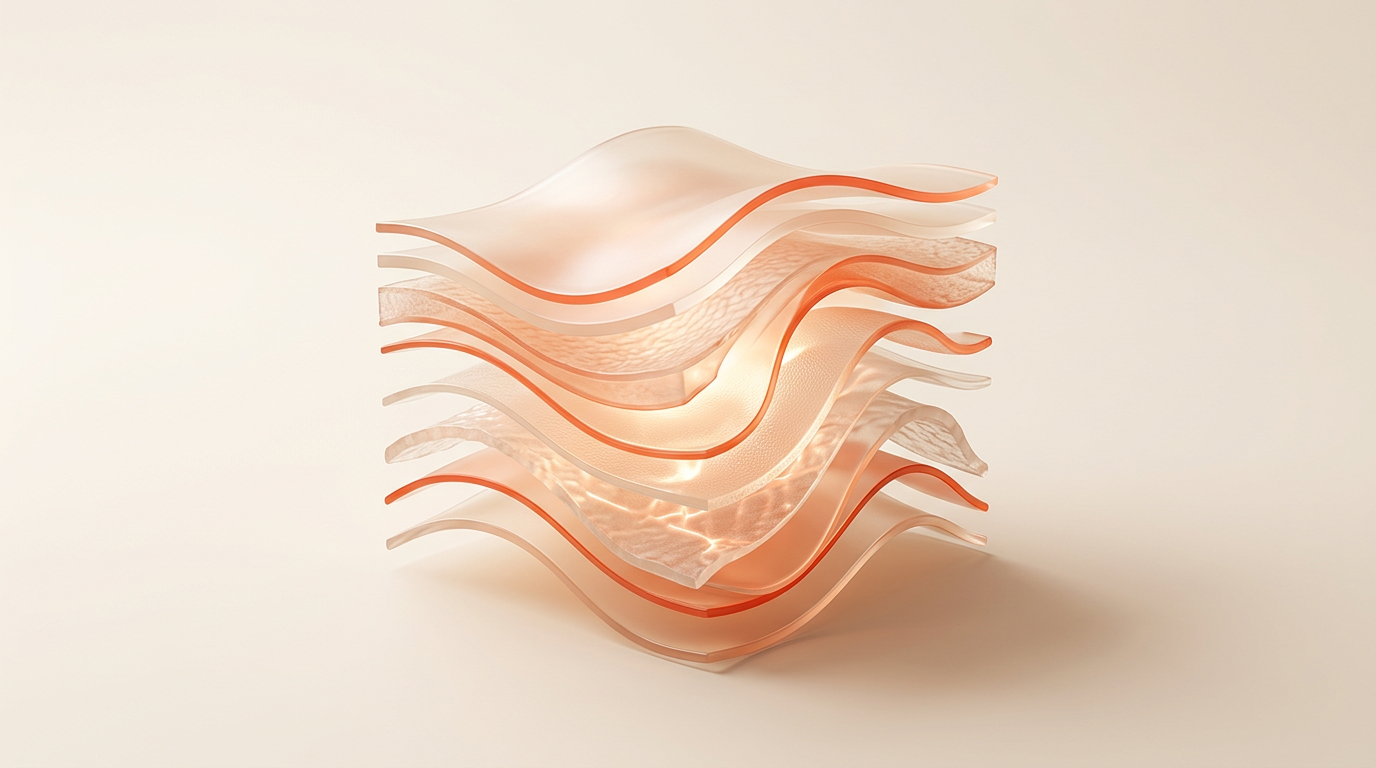
Scar & Stretch Marks Treatment · Integrated protocol addressing epidermis and dermis simultaneously
Scars fade with time but never disappear completely. Especially keloids, hypertrophic scars, and stretch marks are types very difficult to recover from naturally. The key to scar treatment is precisely differentiating "what type of scar is this," and treating epidermis and dermis simultaneously.
Bong Bong Stem Cell Anti-aging Center provides 1:1 personalized consultation for each patient's skin issue. We analyze diverse individual scars and stretch marks and approach each type with a different treatment method. This article walks through scar categories, Bong Bong's 6 solutions, and BB Healing Ampoule.
The 3-minute summary
- Treatment
- Scar & Stretch Marks Treatment
- Principle
- Epidermis (pigment, texture) + Dermis (tissue remodeling) simultaneous approach
- Target scars
- Trauma · keloid · hypertrophic · incisional · stretch marks
- 6 Bong Bong solutions
- Micro surgery · specialty medications · stem cell · growth factors · PDLLA · triamcinolone
- Treatment time
- 30 min – 1 hour · local anesthesia · same-day discharge
What is a scar
A scar is an area of skin that appears different from the original during the wound-healing process1. As a wound heals, collagen re-arranges in a disorderly manner, forming scar tissue. Causes vary, and the resulting form, color, and firmness differ by cause.
Scars and stretch marks — no more need to hide them. Improvement is possible when epidermis and dermis are treated together.
Dr. Seongsoo Park · Chief Director, Bong Bong Plastic Surgery Clinic
3 types of scars
Scars are broadly classified into 3 categories by cause.
Trauma scars
Scars from trauma including abrasions, lacerations, and burns.
Constitutional scars
Scars that thicken due to constitutional causes — keloids and hypertrophic scars.
Incisional scars
Marks from surgical or cosmetic surgery incisions.
Scar types by color
Scars are also divided by color into two types with different approaches.
| Category | Pigmented scar | De-pigmented scar |
|---|---|---|
| Color | Dark brown | White (de-pigmented) |
| Cause | Post-inflammatory pigmentation | Melanocyte damage |
| Typical sites | Acne scars, wound scars | Burn scars, old scars |
| Primary treatment | Whitening · pigment laser | Dermal regeneration · skin graft |
Why simultaneous epidermis + dermis treatment
Scar tissue typically lies within both the epidermal and dermal layers, and severe scars extend into subcutaneous fat beneath the skin. Therefore, epidermal (surface) treatment and dermal (deeper) treatment must be performed simultaneously to maximize effect2.
Epidermal treatment addresses pigment and texture; dermal treatment addresses tissue remodeling; severe scars extending into the subcutaneous also involve subcutaneous-stage treatment. Treating only one layer produces only partial results.
Bong Bong's 6 treatment solutions
For individual scar concerns, based on Bong Bong's accumulated clinical data, our 6 scar treatment solutions are as follows.
Micro-microscopic scar surgery
Precisely excises and re-sutures scar tissue itself. Effective for large, clearly defined scars.
Specialty scar medication injection
Directly injected into scar tissue to induce tissue remodeling.
Stem cell
Stem cell activity induces tissue regeneration at the scar site and remodeling toward normal skin.
Growth factors
Local injection of ingredients that promote skin-cell growth and regeneration.
PDLLA
A biodegradable polymer that induces collagen regeneration. Effective for atrophic and stretch mark scars.
Triamcinolone
Treatment medication that thins thick scars such as keloids and hypertrophic scars.
BB Healing Ampoule
BB Healing Ampoule, developed by the Bong Bong Stem Cell Anti-aging Center, is a scar-regeneration ampoule made with individual custom formulation3. It has three distinctive features.
- Individual custom formulation — blend adjusted by scar type, location, and age
- New non-invasive infusion method — uses specialized infusion equipment rather than syringes, minimizing pain and bruising
- Post-infusion program management — maximizes medication absorption and efficacy, with skin-calming care
Curious about the right treatment for your scar? Book a consultation.
Diagnosed personally by the chief director of Bong Bong Plastic Surgery. Consultation and diagnostics are complimentary.
Frequently Asked Questions
QWhy do scars form, and what types exist?
QWhy must scar treatment address epidermis and dermis simultaneously?
QWhat treatments does Bong Bong offer for scars?
QWhat is BB Healing Ampoule?
QCan keloid-prone patients be treated?
- Pathology Scar Formation and Wound Healing — the 3 stages of wound healing.
- Anatomy Skin Layer-Specific Scar Treatment.
- Formulation BB Healing Ampoule — developed in-house by Bong Bong Stem Cell Anti-aging Center.
Closing thoughts
Scars and stretch marks are representative skin issues that don't recover naturally. However, with accurate differentiation, simultaneous epidermis + dermis approach, and personalized combination treatment, significant improvement is achievable. For keloid-prone constitutions with high recurrence risk, specialist consultation is especially important.
More clinical columns are available on the Bong Bong Plastic Surgery Blog.