When bruising appears on your face after a thread lift, the first thing people look up is "is there a way to get rid of it quickly?" A thread lift inserts medical threads under the skin to lift sagging tissue, so if small blood vessels are irritated during insertion, bruising and swelling can occur. Most bruises fade naturally over time, but massaging hard or applying hot compresses right after the procedure can actually increase swelling and bleeding, so caution is needed. The key to clearing bruises faster is not rubbing hard but applying cold compresses and appropriate pressure right after the procedure, then caring for the area according to the stage of recovery.
Contents
- Why does bruising occur after a thread lift?
- How long does thread-lift bruising usually last?
- What is the most basic way to reduce bruising right after the procedure?
- How long should cold compresses be used?
- When can warm compresses start?
- Can I massage to clear bruising faster?
- What should be avoided after a thread lift?
- Tell your clinic right away about these bruises and swelling
- Thread lifts: common myths and facts
Why does bruising occur after a thread lift?
A thread lift inserts threads under the skin to lift and anchor sagging tissue. If small blood vessels under the skin are irritated or damaged as the thread goes in, some blood pools in the tissue and a bruise forms. So a bruise after the procedure is not necessarily a complication. Bruising and swelling are common post-procedure reactions to tiny bleeding and tissue irritation under the skin. They usually look red or purple at first, then change over time to blue, green and yellow before gradually fading. The extent and color of a bruise on the skin surface can change over time. What matters is not the bruise's color but whether it shrinks over time. Bruises are usually absorbed naturally, but if one keeps spreading or suddenly worsens, check with the clinic that performed the procedure.
In a meta-analysis of 26 studies on facial thread lifts, the most common complication was swelling (35%), followed by skin dimpling 10%, sensory changes 6%, visible or palpable threads 4% and infection 2%.[1]
Related readingWhether a thread lift or laser lifting suits you is compared in "Thread lift or laser lifting: which suits my face?" (Korean).
How long does thread-lift bruising usually last?
How long a bruise takes to disappear depends on its size and depth, but most fade gradually over time. A typical bruise can look darker for the first few days and then change color as it gradually disappears. Small bruises often improve noticeably within a few days to 1–2 weeks, while deep or widespread bruises can last longer. So rather than expecting the bruise to be gone the next day, expect it to darken briefly at first and then gradually fade. Because a thread lift can insert threads in several areas of the face, bruising may appear not only around the treated area but also lower down. As blood under the skin moves with gravity, bruising can appear below where the thread actually went in.
What is the most basic way to reduce bruising right after the procedure?
Right after a thread lift, cold compresses come first. Cold compresses constrict blood vessels and can help reduce early swelling in the treated area. However, applying ice directly to the skin can damage it, so protect the skin with a thin towel or use a cold pack. Rather than applying it for too long at once, repeat short applications. Avoid pressing hard on the treated area or rubbing while pressing. Right after the procedure, keeping your head above your heart also helps manage swelling. Raising your upper body slightly with pillows when sleeping helps reduce blood and fluid pooling in the face. After cosmetic surgery too, keeping the upper body raised is used early on to manage swelling, and it is important not to press on or irritate the treated area.
Related readingIf dimpling appears after a thread lift, see "Thread lift dimpling: causes and how to manage it" (Korean).
How long should cold compresses be used?
Cold compresses are best used from right after the procedure through the period when early swelling and bruising develop. Especially on the day of the procedure and the next day, the face may swell or throb, so cold compresses can be used. However, keeping an ice pack on continuously for a long time is not good. The purpose of cold compresses is not to force the bruise away but to reduce early swelling and vascular reaction. So there is no need to think "the longer I use cold compresses, the faster the bruise will go." Apply them for short periods to avoid excessive cold on the skin, and follow any method your clinic has advised first.
When can warm compresses start?
Warm compresses are better started after early bleeding and swelling have settled, rather than right after the procedure. Exposure to strong heat, such as hot compresses or saunas, dilates blood vessels and can worsen early swelling or bleeding. In particular, avoid hot baths, saunas and jjimjilbang (Korean bathhouses) on the day of the procedure. Swelling and bruising recover naturally over time, so there is no need to force them away quickly with heat. In actual post-surgery care, cold compresses are used early on, and activities that greatly increase heat and blood flow, such as saunas and strenuous exercise, are advised against for a certain period.
A review of arnica, often said to clear bruises quickly, found that although it is widely recommended on social media, evidence that it reduces bruising and swelling after cosmetic injection procedures is still insufficient.[2]
Can I massage to clear bruising faster?
It is best not to massage your face right after a thread lift. A typical bruise disappears as the body naturally absorbs the blood, even without massage. But with a thread lift, threads are under the skin, so pressing hard on or rubbing the treated area should be avoided.
In particular, rubbing your face hard or using gua sha, massage devices or meridian massage can put unnecessary pressure on the treated area. Strong stimulation while the threads are settling can cause more pain or swelling. So rather than massaging yourself to clear the bruise faster, it is safer to leave the area alone and let it recover. If there is a massage or care program you need, do not do it on your own; check with your medical team when it can start.
What should be avoided after a thread lift?
To reduce bruising and swelling and support recovery after a thread lift, reduce actions that stress the face. First, it is best to avoid alcohol. Alcohol dilates blood vessels and can affect bleeding and swelling, so avoid it right after the procedure. Strenuous exercise should also be avoided early on. Activities that greatly raise heart rate and blood flow, such as running or high-intensity strength training, can make swelling worse. Also avoid things that heat the face, such as saunas, jjimjilbang and hot baths. When washing your face or applying makeup, be gentle and do not rub hard. Lying on your side with your face pressed firmly into a pillow is also best avoided early on. In short, the best way to clear bruising after a thread lift is not using many home remedies but, early on, reducing heat, pressure and friction and creating conditions in which you can fully recover.
Tell your clinic right away about these bruises and swelling
Some bruising and swelling after the procedure is common, but not every symptom should be seen as normal recovery. In particular, if the following symptoms appear, tell the clinic that performed the procedure right away.
First, when the bruised area keeps spreading over time. A typical bruise should change color and gradually fade.
Second, when only one side of the face suddenly swells a lot. A large left–right difference or rapidly increasing swelling needs to be checked.
Third, when severe pain, heat and redness appear together. Rather than a simple bruise, inflammation or another procedure-related problem should be checked.
Fourth, when the skin turns abnormally pale or dark red with severe pain. Immediate medical assessment is needed to check for possible problems with skin blood flow.
Also, if continuous bleeding, pus or fever occur, do not treat it as simply a long-lasting bruise. It is important to report abnormal reactions after a procedure to your medical team quickly so appropriate action can be taken.
Thread lifts: common myths and facts
| What many people think… | What the evidence shows |
|---|---|
| "Massaging a bruise clears it faster." | Early massage can shift the threads and increase swelling, so avoid it until your medical team advises. |
| "Warm compresses are best from the start." | Use cold compresses for about the first 48 hours, then switch to warm if needed. |
| "Supplements like arnica clear bruises quickly." | Evidence that supplements reduce bruising is still insufficient. |
For patients worried about bruising after a thread lift, I first ask about the medications and supplements they take before the procedure. Blood-thinning medications and supplements are what most affect the size of a bruise.
Most bruises after a thread lift come from tiny blood vessel damage during the procedure and fade naturally over time. Right after the procedure, cold compresses and keeping your head raised are the basics, and strong massage, saunas, alcohol and strenuous exercise are best avoided. Once early swelling and bleeding have settled, care should follow the stage of recovery, and if a bruise keeps growing or severe pain, heat or rapid swelling on one side of the face appears, do not wait it out as a simple bruise — have it checked at the clinic that performed the procedure.
🔬 Supporting research
Peer-reviewed international journal articles that support this article. Click a title to open the PubMed abstract.
- Aesthetic plastic surgery 2021 — facial thread lift, 26-study meta-analysis A Meta-Analysis and Systematic Review of the Incidences of Complications Following Facial Thread-Lifting. Key finding: swelling 35%, dimpling 10%, sensory change 6%, thread exposure 4% In text [1] · PMID 33821308 · DOI
- Dermatologic surgery : official publication for American Society for Dermatologic Surgery [et al.] 2025 — literature review of arnica after procedures Myth Versus Reality: A Review of Social Media Claims and Scientific Evidence for Arnica montana in Postinjectable Procedures. Key finding: insufficient evidence for reducing bruising and swelling In text [2] · PMID 40014034 · DOI
🎬 Watch — Dr. Park Seong-Soo · BongBong Plastic Surgery
Related videos from BongBong Plastic Surgery's official channel and Dr. Park Seong-Soo's channel. Videos are in Korean and play on YouTube.
-
 3:54 Thread lifts you can get and still go to work right after (Korean) BongBong official · 2022.10.11
-
 5:00 Must-watch before a thread lift! Everything about lifting for beautiful results without side effects (Korean) BongBong official · 2022.09.19
-
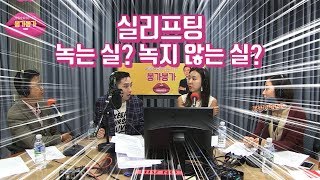 2:07 All your questions about thread lifts, answered on Korea's first plastic surgery podcast "Asibong" (Korean) BongBong official · 2018.05.14
Frequently asked questions (FAQ)
What is the fastest way to clear bruising after a thread lift?
A. Right after the procedure, the basics are cold compresses and not rubbing your face. Resting with your head raised and avoiding alcohol, saunas and strenuous exercise help manage early swelling.
If I apply a warm compress right away, will the bruise go faster?
A. No. It is best to avoid hot compresses right after the procedure. Whether to use warm compresses should be decided after early swelling and bleeding have settled.
Can I massage or use gua sha on bruising after a thread lift?
A. It is best not to right after the procedure. Pressing or rubbing your face hard can irritate the treated area, so it is safer not to massage on your own.
How many days does thread-lift bruising usually last?
A. Small bruises often fade noticeably within a few days to 1–2 weeks. Deep or widespread bruises can last longer.
My face is very swollen along with the bruising — is that okay?
A. If swelling does not decrease over time and worsens rapidly, or only one side of the face swells a lot with pain or heat, tell the clinic that performed the procedure right away.
📖 References
Click a [number] in the text to jump to its source, and ↩ to return. Only papers whose title, journal and year were verified on PubMed are listed.
- ↩ Niu Z, Zhang K, Yao W, et al. A Meta-Analysis and Systematic Review of the Incidences of Complications Following Facial Thread-Lifting. Aesthetic Plast Surg. 2021;45(5):2148-2158.PMID 33821308 · DOI— facial thread lift, 26-study meta-analysis — swelling 35%, dimpling 10%, sensory change 6%, thread exposure 4%
- ↩ Ryzhaya N, Rivers JK. Myth Versus Reality: A Review of Social Media Claims and Scientific Evidence for Arnica montana in Postinjectable Procedures. Dermatol Surg. 2025;51(7):668-672.PMID 40014034 · DOI— literature review of arnica after procedures — insufficient evidence for reducing bruising and swelling
BongBong Plastic Surgery · Dr. Park Seong-Soo, Medical Director
Contact us for a consultation